







Search Results for: queue controversy
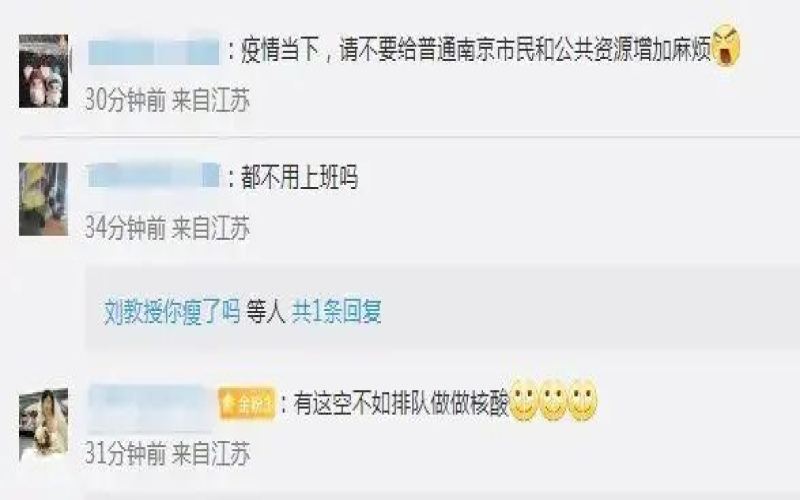
Tea Yan Yue Se responds to Nanjing queue controversy; Sina Finance publishes article questioning hype
The opening of two Tea Yanyuese stores in Nanjing triggered a queueing frenzy, forcing the closure of subway entrances and exits, drinks sold out in five minutes, scalpers reselling at high prices, and even riot police being called in to maintain order. Faced with questions over hiring people to queue and reselling hype, Tea Yanyuese issued an apology and promised purchase limits; however, two hours later Sina Finance published an investigative article pointing directly at the agency-buying queues as a premeditated false prosperity. Is this uproar down to brand appeal or marketing tricks? With the pandemic not yet subsided, what hidden dangers does gathering in queues bring? This article sorts through the whole incident and explores the queue economy and public order issues behind internet-famous tea brands. [more…]
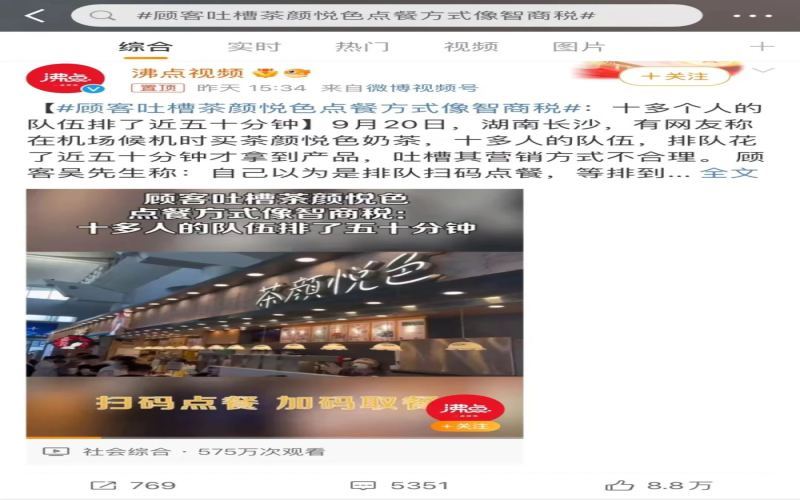
Tea Yanyuese's queueing and ordering rules spark controversy again, official response fails to quell netizens' dissatisfaction
Recently, Chayan Yuese has once again become the center of public attention due to its ordering and pickup rules. Some customers at the Changsha airport store waited nearly fifty minutes before getting their drinks, questioning its cumbersome ordering process and unreasonable marketing methods, which struck a chord with many. In fact, Chayan Yuese has adjusted its ordering rules multiple times, and consumers have kept complaining. Although the company responded officially that the new rules are meant to ensure the texture of the milk foam, netizens were not convinced. This article reviews the course of the incident, the views of various parties, and the brand's response, and explores the logic and controversy behind the queuing phenomenon in the milk tea industry. [more…]
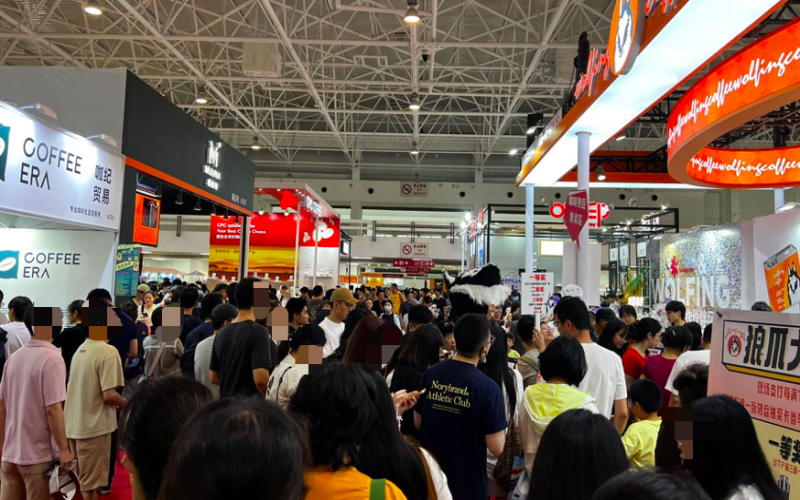
Coffee Expo Draws Huge Crowds but Sparks Controversy: Open-Admission Entry Undermines Professionalism
A recent international coffee exhibition held in Beijing sparked widespread discussion. The venue was packed with people and buzzing with excitement, yet many coffee enthusiasts who attended found that the professional exchange atmosphere they had expected was diluted by the surging crowds. Free admission attracted a large number of non-professional visitors, and money-saving guides even led to long queues in front of some booths. Some lamented that the exhibition was becoming more and more like a market, while others called on the organizers to set thresholds to ensure a better experience. What exactly happened at this coffee exhibition? Let's take a look at the real situation on the ground. [more…]
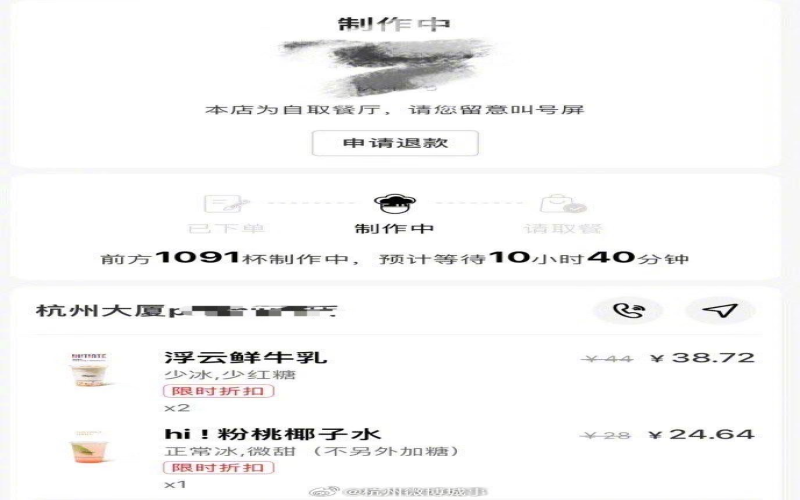
Hangzhou's internet-famous milk tea has queues exceeding 10 hours—is it consumers following the trend or hunger marketing?
After the first Hangzhou store of BONJOUR, a Suzhou milk tea brand, opened, its online ordering showed over a thousand cups in production ahead, with wait times often reaching seven to eight hours or even more than ten. Consumers posted screenshots of their orders, sparking heated debate: Is a cup of milk tea worth such a long wait? A reporter's visit found no long lines on site, but chaotic pickup and sold-out popular items. Some consumers admitted the taste was nothing special and they were just following the trend. Netizens questioned whether this was hunger marketing and suggested waiting for this "Hangzhou fad" to pass before trying. This article will explore the phenomenon and reflections behind this milk tea queue controversy. [more…]
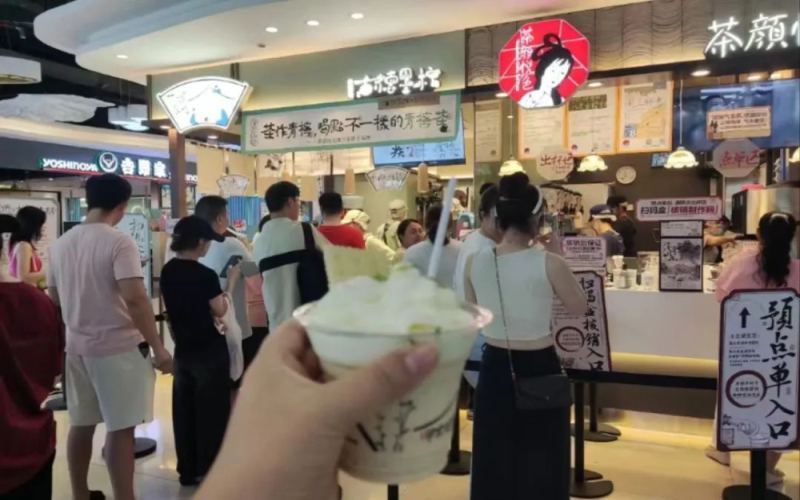
Tea Yan Yue Se launches another lemon tea sub-brand Good Mo Ning, sparking heated discussion over redemption queues and menu design
Sexy Tea has once again laid out a segmented track, with its brand-new sub-brand Good Lemon opening five stores in Changsha in one go on September 19. Similar to the main brand, Good Lemon does not have independent stores, but is embedded in Sexy Tea's large stores with partitioned operations, leveraging the parent brand's foot traffic to quickly attract check-in crowds. This is not Sexy Tea's first time incubating a side brand; from the early Zhihu Tea to the 2022 Yuanyang Coffee, its multi-brand strategy has been ongoing for many years. The lemon tea market has strong growth momentum, with a Meituan report showing sales in 2022 increased by over 130% year-on-year. Good Lemon clearly aims to grab a share of this pie, with plans to open 15 to 20 stores in Changsha within the year. However, the new brand has barely made its debut when it encountered consumer complaints, with the core controversy still centered on Sexy Tea's signature verification queue model and menu names that are too free-form, making ordering difficult. [more…]
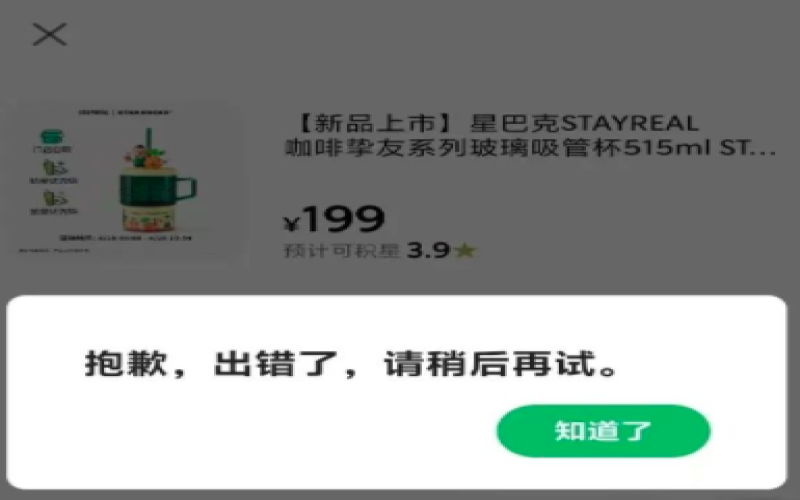
Starbucks × Mayday StayReal Collaboration Sparks Buying Frenzy, Fans Queue Overnight for Limited-Edition Merchandise
Starbucks partnered with Stayreal, the streetwear brand co-founded by Mayday lead singer Ashin and Taiwanese artist No2Good, instantly igniting the enthusiasm of the band's fans and netizens alike. The online limited-edition themed cups were snapped up by tens of thousands of people the moment they went on sale, with the official app and mini-program lagging due to overwhelming traffic. Some users failed to complete payment and missed out on the cups they wanted, sparking complaints. Meanwhile, the limited-edition Starbucks gift sets released at physical stores, thanks to their relatively low threshold for acquisition, attracted a large number of fans who queued up with stools in the early hours of the morning. This collaboration craze showcased the fans' frenzy while also exposing the inadequate capacity of online channels and the controversy over offline queuing rules. [more…]
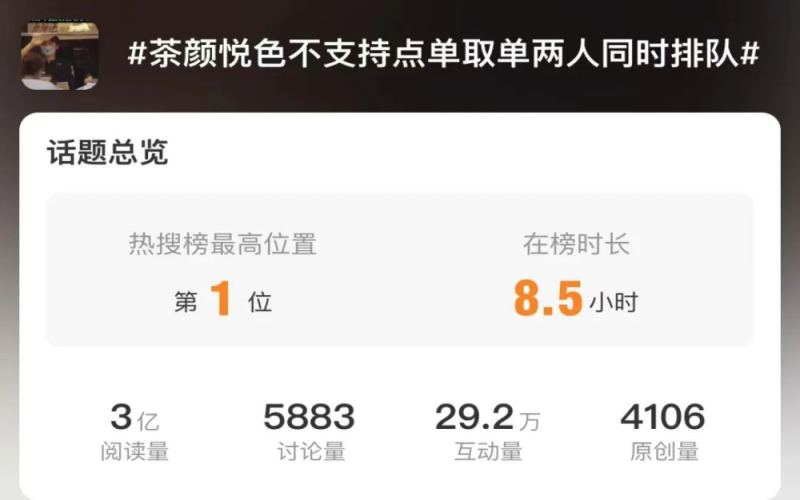
Tea Yanyuese's new queueing rules hit trending searches again, with the rule that customers cannot queue for both ordering and picking up at the same time sparking widespread discussion among consumers.
On the evening of August 5th, Sexy Tea (Chayan Yuese) hit the top of the trending searches due to its rule of "not supporting two people queuing simultaneously for ordering and picking up," with reads reaching 300 million times, sparking intense discussions among netizens. Many consumers questioned that this "standing punishment" queuing was actually hunger marketing, intended to extend customers' stay in the store and create a false impression of a bustling business. In fact, this is not the first time the brand has trended for its queuing rules—at the beginning of the year, some stores required customers to wait on-site after ordering, and leaving meant having to re-queue, and they even closed the mini-program ordering. Some customers reported that a single person had to complete two queues alone, while those with companions could split up, causing those who ordered first to wait longer. The brand had publicly apologized for this, stating that the adjustment was originally intended to enhance the consumption experience and drink taste. This article sorts out the context of the incident and various viewpoints, and includes related recommendations from Front Street Coffee. [more…]
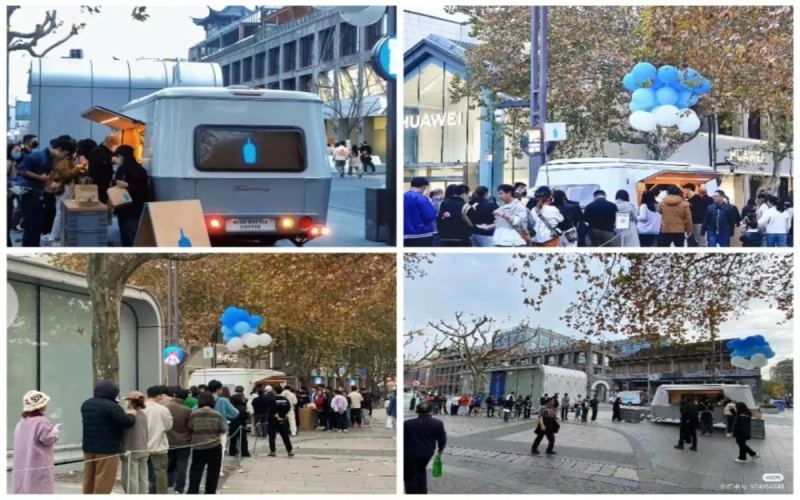
Blue Bottle Coffee Truck Residency by West Lake: One-Hour Lines on Day One, Sharp Drop in Crowds the Next Day—High-Priced Pop-Up Model Meets a Cool Reception
Specialty coffee brand Blue Bottle recently brought a grayish-white coffee truck bearing the brand's logo to the shores of West Lake in Hangzhou, planning to stay for three months. On the first official day of operation, consumers queued for about an hour in the cold wind to receive limited-edition small gifts and take photos with the retro coffee truck; however, just one day later, the bustling queue noticeably faded. The truck's limited menu is priced from 28 to 58 yuan, close to in-store prices, yet it cannot provide comfortable seating, prompting some consumers to question its value for money. Looking back at the controversy over its previous co-branded pop-up in Beijing, as well as the positive response to its Shenzhen pop-up store, Blue Bottle's Hangzhou pop-up model this time seems to face more scrutiny. Online speculation suggests this move may be to build hype for a future Hangzhou store, but the company has not yet disclosed any related plans. [more…]
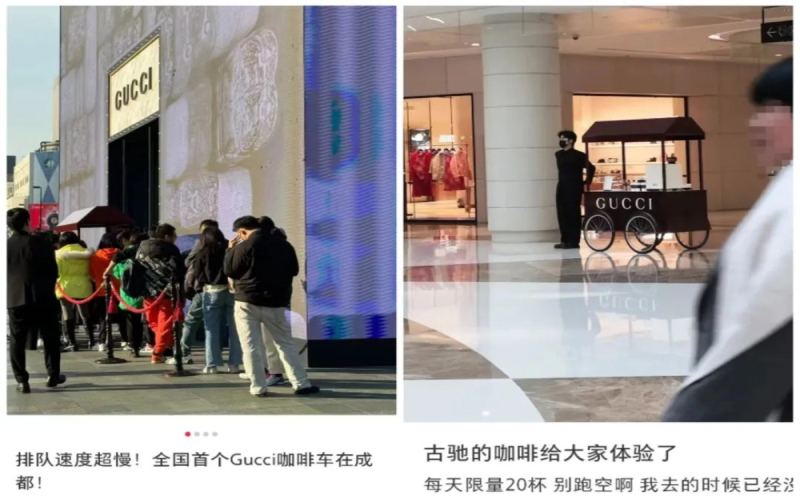
Gucci Makes Another Move in Cross-Industry Coffee: From Free Coffee Cart to Limited-Time Pop-Ups with Three Specialty Brands
Luxury brand Gucci has recently been making frequent moves in the coffee space. First, it attracted attention by handing out free coffee from an Ancora red coffee truck in Beijing, Shanghai, and other cities, but drew complaints over long queues, limited supply, and controversial flavors. Gucci then adjusted its strategy, partnering at once with three well-known domestic coffee brands—Grid Coffee, Blue Bottle Coffee, and %Arabica—to open week-long pop-up coffee shops in four cities: Beijing, Shanghai, Shenzhen, and Chengdu. This collaboration model—limited in "stores, duration, and products"—has drawn consumers to queue up and check in, and has also led people to speculate whether Gucci is "casting a wide net" to screen for long-term partners, or merely driving traffic to its Ancora series exhibition. This article takes you through this cross-industry experiment between luxury and coffee. [more…]
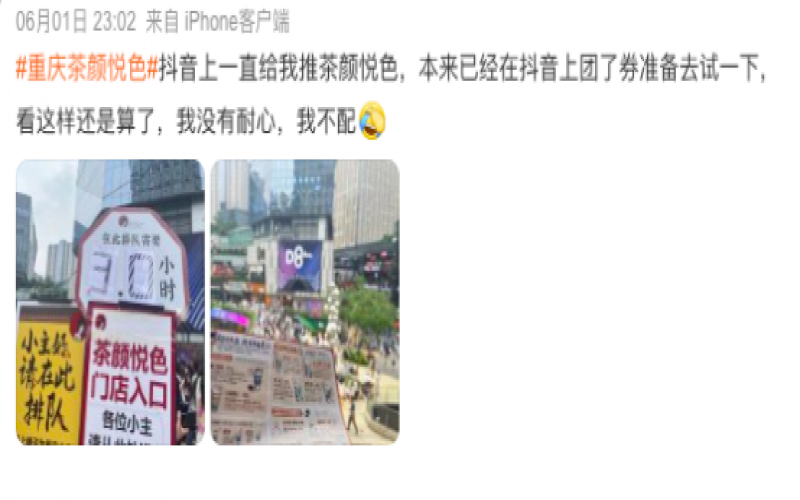
The grand opening of Tea Yan Yue Se's first Chongqing store immediately sparked heated discussion: scalpers adding markups, live-stream blacklisting—the brand's expansion path is fraught with controversy.
Lyu Liang, founder of Chayan Yuese, has repeatedly stated publicly that the brand is not unwilling to expand beyond Changsha, but rather fears that out-of-town expansion could lead to a survival crisis. However, Chayan Yuese has not only opened stores in Changde, but has also stepped beyond Hunan Province, entering the West China market and establishing a presence in Chongqing. On Children's Day, four Chongqing stores opened simultaneously, sparking enthusiastic pursuit among consumers in the mountain city, but controversy arose from day one: incidents such as three-hour queues, online orders requiring waits of over 24 hours, resold cups fetching nearly 500 yuan, and viewers being blocked in livestreams were exposed one after another. The brand subsequently responded to the markup reselling and livestream controversies. This article will sort through the sequence of events and include related information from Front Street Coffee. [more…]
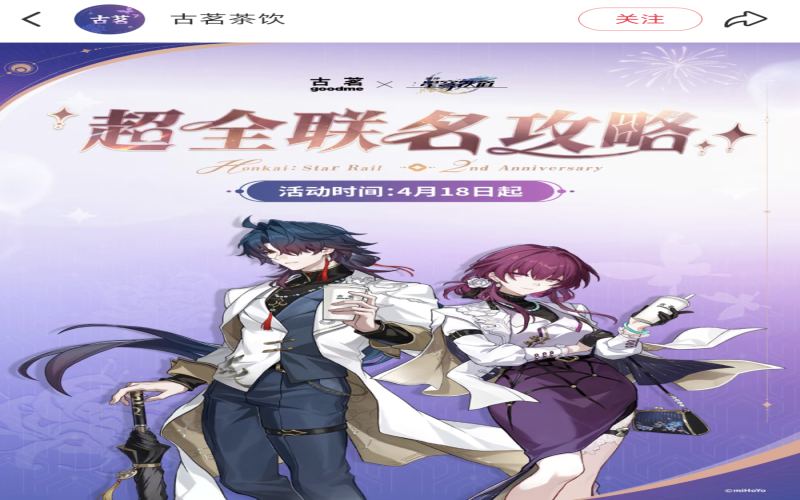
Good Me's Collab with Honkai: Star Rail: Merch Shortage Storm—Million-Deep Queues, Stores Sold Out in Seconds, and the Restock Dilemma
The collaboration between Goodme and Honkai: Star Rail was supposed to be a fan frenzy, but it turned into a reputational crisis due to severe merchandise shortages. On the first day of the event, the official mini-program queue exceeded 1.2 million people, stores in many locations sold out within 3 hours, and high-priced complete merchandise sets appeared on second-hand platforms. Although the brand claimed to have prepared "the largest inventory in history," compared with the previous Love and Deepspace collaboration, whose stock was only one-third of this amount, it clearly underestimated players' purchasing power. What dissatisfied fans even more was that many stores explicitly stated they would not restock, causing the collaboration to end early. This imbalance between traffic and reputation sounded a warning for co-branded marketing in the coffee and tea beverage industry. [more…]
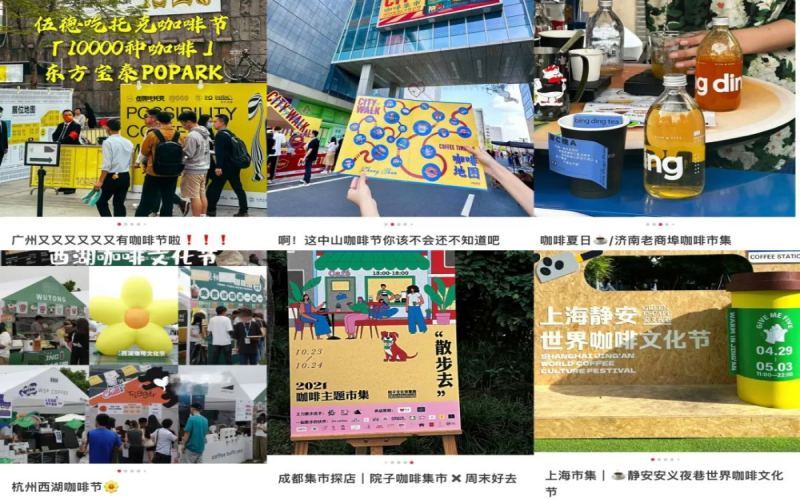
Coffee market specialty drinks average 40 yuan, sparking debate as consumers question the premium and the experience
In recent years, coffee festivals and markets have sprung up everywhere, attracting large crowds of enthusiasts and photo-taking visitors. However, some netizens have pointed out that a small cup of specialty drink averaging 40 yuan, with long queues, noisy environments, and sometimes even an entrance fee, offers far worse value for money than chain brands. Similar complaints keep appearing on social platforms, arguing that coffee markets are gradually becoming milk tea-like or bar-like, with very few stalls truly focused on basic coffee and cultural exchange. Even so, markets continue to be held one after another, and consumers seem to have become leeks that can never be fully harvested. Of course, some brands do put care and quality ingredients into their specialty drinks, but the overall impression is still hard to change. For industry practitioners and coffee lovers alike, how to balance commerce and experience has become a question worth pondering. [more…]
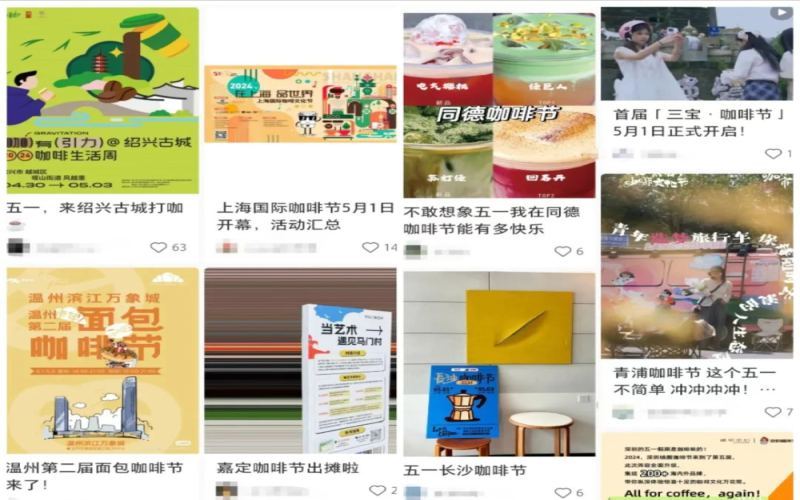
Six Coffee Festivals Crowd Shanghai During May Day Holiday, Sparking Heated Debate Over Proliferation of Specialty Drinks and Uneven Quality
The five-day May Day holiday has always been a peak time for travel. Rather than queueing for ages outside popular coffee shops, many efficiency-minded coffee lovers choose to go to coffee festivals instead, tasting all the signature drinks from various vendors in one go. According to social media, Shanghai—a city jokingly dubbed "Coffee City"—held six coffee festivals across different districts during the May Day holiday, an astonishingly high density. Yet behind the explosion in the number of coffee festivals, problems such as uneven event quality, an overload of creative coffee, inflated prices, and scarce free tastings have also drawn frequent complaints. This article walks you through the buzz and controversy of Shanghai's May Day coffee festivals, and explores the shift of coffee festivals from "industry networking conventions" to "specialty beverage tech conventions." [more…]
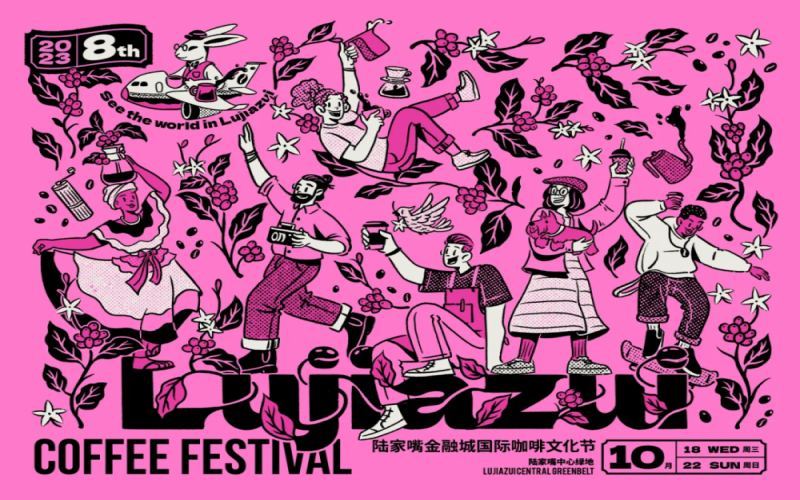
The 8th Lujiazui Coffee Festival has received mixed reviews: reservation-based crowd control and network upgrades won praise, while on-site crowding and blind box controversies persist.
The 8th Lujiazui Coffee Festival recently wrapped up in Shanghai, just half a year after the previous edition. The organizers made several adjustments in response to past issues, including full Wi-Fi coverage and timed-entry reservations. However, social media still buzzed with complaints: the venue remained packed, reservation slots were hard to secure, the 138–168 yuan coffee mystery boxes were seen as disguised ticketing, and some foreign brand experiences fell short of expectations. Despite gathering 100+ cafés from 25+ cities and brands from multiple countries, the event's weak offerings still hurt its reputation. This article reviews the highlights and gripes of this year's coffee festival. [more…]
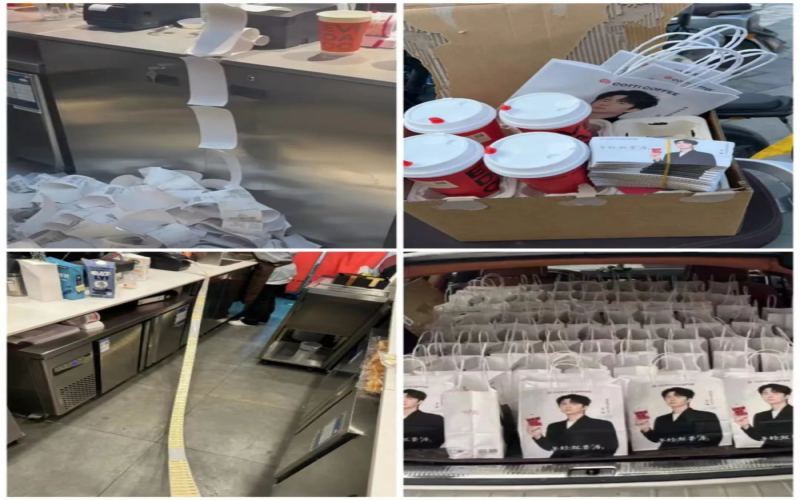
From the Cotti and Luckin endorsement controversies, a look at the new battleground in coffee brand marketing: Are traffic stars the new solution to involution?
Cotti Coffee's official announcement of a new brand ambassador triggered a surge in store orders, and Luckin Coffee's livestream channel promptly featured group-buying links that appeared to be riding the traffic. A coffee business war revolving around celebrity traffic seems to have quietly begun. As the traffic-driving effects of price wars and co-branded merchandise gradually wear off, brands are turning their eyes to fan groups willing to keep paying for their idols. Can this consumption shift from "buying the trinket while returning the pearl" to "spending for love" become a new path for coffee brands to break through? Under the halo of celebrity, will coffee itself be forgotten by consumers? [more…]
The opening of Shenzhen's Chayan Yuese drew 30,000 queue numbers and sparked heated discussion; officials clarified these were Wenheyou table numbers and urged rational consumption.
On April 2, the internet-famous tea brand Chayan Yuese opened a pop-up store at Shenzhen Wenheyou. The queue on opening day was unprecedented, with rumors online claiming that the number of waiting tickets exceeded 30,000, and a cup of milk tea was being resold for over 200 yuan. However, Chayan Yuese officially clarified shortly afterward that the so-called 30,000 number was actually the table number at Shenzhen Wenheyou, not the queue number for milk tea. From Changsha to Wuhan and then to Shenzhen, why does Chayan Yuese always trigger such frenzy? This article will reconstruct the whole incident, sort out the brand's development trajectory, and discuss whether a cup of milk tea is worth such a long queue. [more…]
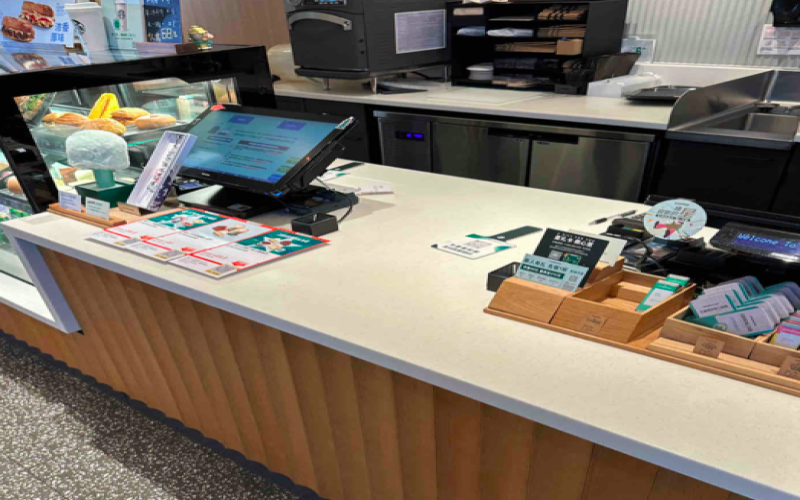
Starbucks Turning Employee Order Screens Toward Customers Sparks Debate, Internal Sales Pitch Accidentally Exposed
Recently, some Starbucks locations have turned their employee-only order-taking devices toward customers, attempting to let customers order self-service or have staff step out from behind the counter to assist with ordering. However, this move has sparked quite a bit of awkwardness and controversy: customers are at a loss facing the complex ordering system, internal sales scripts have been accidentally leaked, and staff are run off their feet even more during peak hours. Some baristas say the new rules not only fail to improve efficiency, but actually make the work more burdensome. This article will walk you through the ins and outs of this incident, as well as the real thoughts of Starbucks workers. [more…]
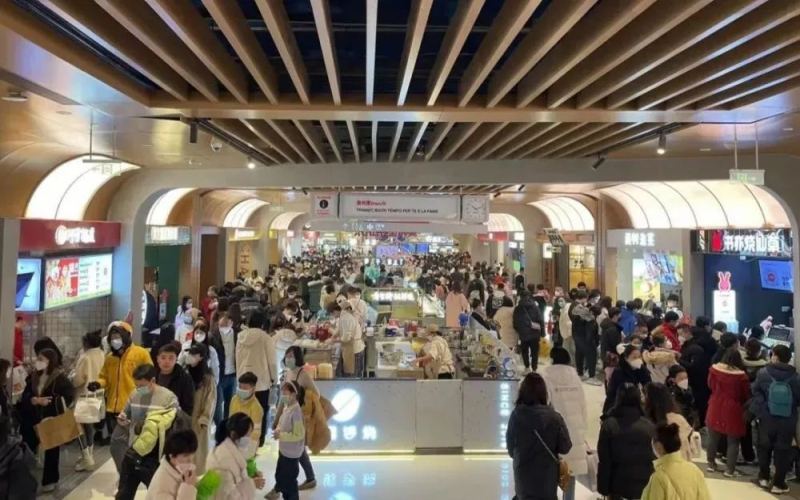
One-Month Observation of Pandemic Restrictions Easing: Coffee and Milk Tea Shops See Long Queues Again, Catering Consumption Shows Clear Recovery Momentum
During the first New Year's mini-holiday after the adjustment of pandemic control policies, people who had recovered from COVID-19 began traveling in large numbers, rapidly heating up the food and beverage consumption market. Long queues reappeared outside milk tea and coffee shops, with some stores seeing orders surge, and even scenes of ordering systems showing queues of over a hundred cups. From Auntea Jenny to Naixue Tea, sales data from multiple brands rebounded significantly, and foot traffic in many commercial districts recovered to 60 to 80 percent of the same period in previous years. Although the pace of recovery remains uneven, the city's lively atmosphere is gradually returning, and the industry is full of expectations for a comprehensive rebound in spring. [more…]
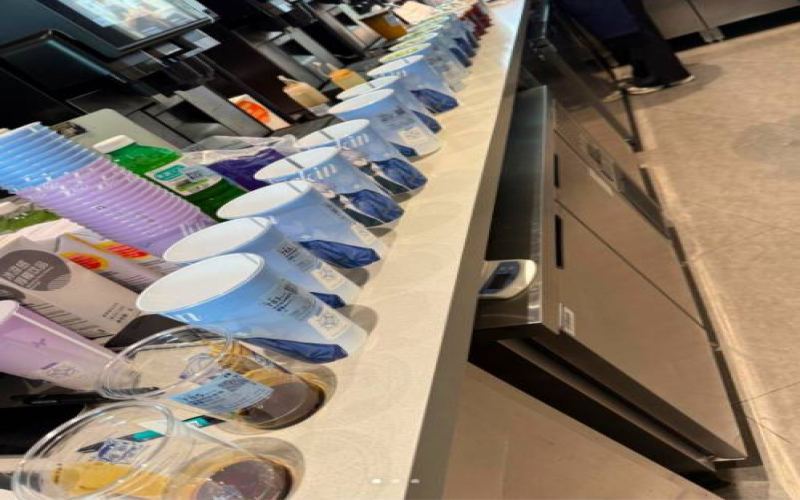
Luckin Coffee's second Honkai: Star Rail collaboration limited packaging materials are out of stock, and fans who cross stores to collect the full set still struggle to get what they want.
Luckin Coffee has launched a second collaboration with Honkai: Star Rail, offering limited-edition merchandise. However, many fans discovered after placing their orders that the limited-edition cups and themed paper bags were severely out of stock. Some received only one of the two, while others got neither, forcing them to piece together orders across multiple stores. For collectors, these limited-edition packaging materials included with orders are part of the collaboration experience, and the insufficient restocking at stores left them quite disappointed. Whether brands should ensure packaging supply in tandem when launching new promotional campaigns has become the core of this controversy. [more…]
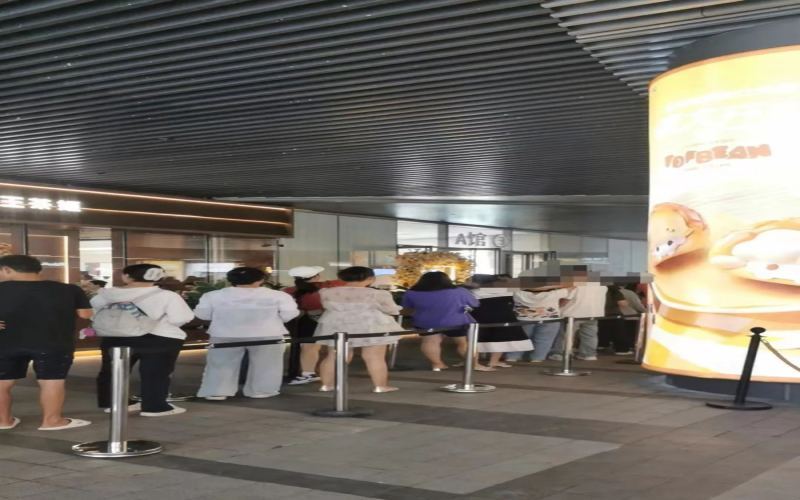
New Chagee Store Draws Criticism Over Long Pickup Queues, Raising Doubts About Store Management Amid Low-Price Promotions
Chagee has recently opened new stores in Hainan, Fujian, Guangdong and other places, launching a 9.9 yuan promotional offer that has attracted large numbers of consumers to line up to buy. However, many customers who ordered in advance through the mini-program still encountered a second queue when picking up their drinks at the store. Employees at some stores did not check the pickup codes and distributed drinks on a first-come, first-served basis, causing chaos at the pickup scene. Consumers complained that what was supposed to save time turned into waiting in line for more than half an hour, an experience inconsistent with the official claim of "pick up in store without queuing." Long-time users were not surprised by this phenomenon, believing that low-priced promotional items are made in concentrated batches and that employees ignore pickup codes and taste notes in order to improve efficiency. But most netizens are worried that this move will affect the brand's image, and some even speculate whether it is done intentionally to create a bustling scene. [more…]